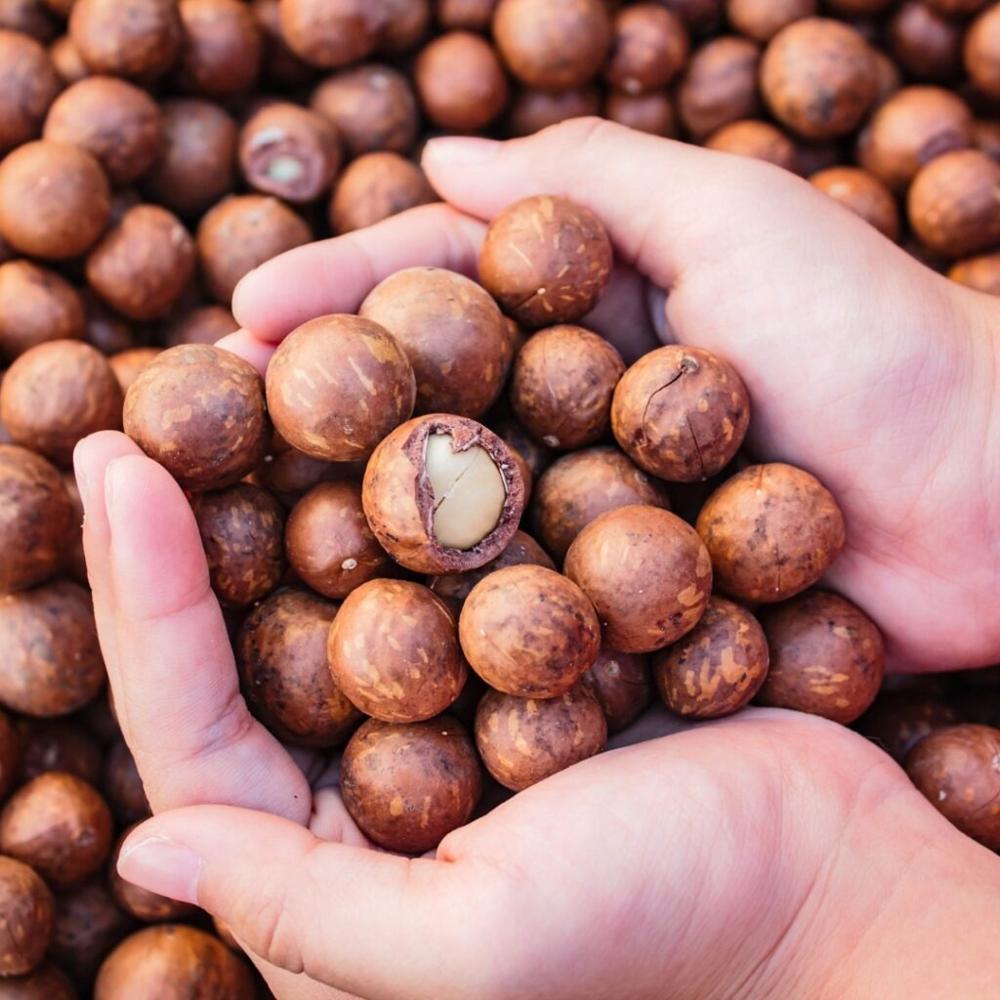
Zimbabwe has quietly become one of Africa's most interesting macadamia origins. The Eastern Highlands around Chipinge offer altitude, reliable rainfall and deep red soils that produce nuts with large size and high kernel recovery — exactly what importers and processors are looking for. If you are searching for a Zimbabwe macadamia exporter, this guide explains how to buy well and what separates a serious grower-exporter from a broker.
Why buy macadamias from Zimbabwe?
Zimbabwe sits in the same harvest window as the rest of Southern Africa — roughly March to August — which makes it a valuable counter-season source for processors in the Northern Hemisphere and in Asia. The Eastern Highlands' altitude (our own orchard at Umkondo Estate sits at around 1,100m) slows nut development and concentrates oil content, which lifts kernel recovery. For buyers, that translates into more sellable kernel per tonne of nut-in-shell.
Zimbabwe is also a less crowded origin than South Africa or Australia, which means buyers can still build direct, single-farm relationships rather than buying anonymous, blended commodity lots.
Grower-exporter vs. broker: why it matters
The single biggest decision is whether you buy from the farm that grew the nuts or from an intermediary aggregating supply. A grower-exporter can tell you the cultivar, the orchard block, the harvest date and the drying curve. A broker usually cannot. When something goes wrong in a container — moisture, mould, immature kernel — traceability is the difference between a quick fix and a write-off.
At Mighty Umkondo we grow, dehusk, dry and grade on a single 80-hectare estate of more than 20,000 trees. That means one origin, one set of agronomic practices, and full traceability from tree to container.
What good Zimbabwean NIS looks like
- Size: graded lots from 18mm up to 22mm+, with premium grades 95%+ above the stated screen size.
- Moisture: dried to 8–10% for in-shell export (lower again, ~1.5%, for kernel).
- Kernel recovery: 30%+ on well-managed Beaumont and A-series cultivars.
- Defects: under 2–3% on premium and large grades.
For a full breakdown of these numbers and how to verify them, see our guide to macadamia NIS specifications.
How export from Zimbabwe actually works
Zimbabwe is landlocked, so containers move overland to the ports of Beira (Mozambique) or Durban (South Africa) for onward shipping. A credible exporter will quote EXW Chipinge, FOB Beira/Durban, or CIF to your destination port, and will handle the phytosanitary certificate, certificate of origin, fumigation and inspection documentation. Transit times vary by destination — typically 25–35 days to Asian ports.
Starting a trade relationship
Begin with a sample and a spec sheet, then a trial container before committing to a season-long contract. Our export grades and indicative pricing are published on our products page, and we run dedicated landing pages for the largest buying markets: China, Vietnam and the United States.
Ready to talk specifics? Send a trade enquiry with your target grade, volume and destination port, and we'll respond within 24 hours with a quote and sample arrangement. You can also read our companion guide on how to buy macadamia nuts from Zimbabwe.