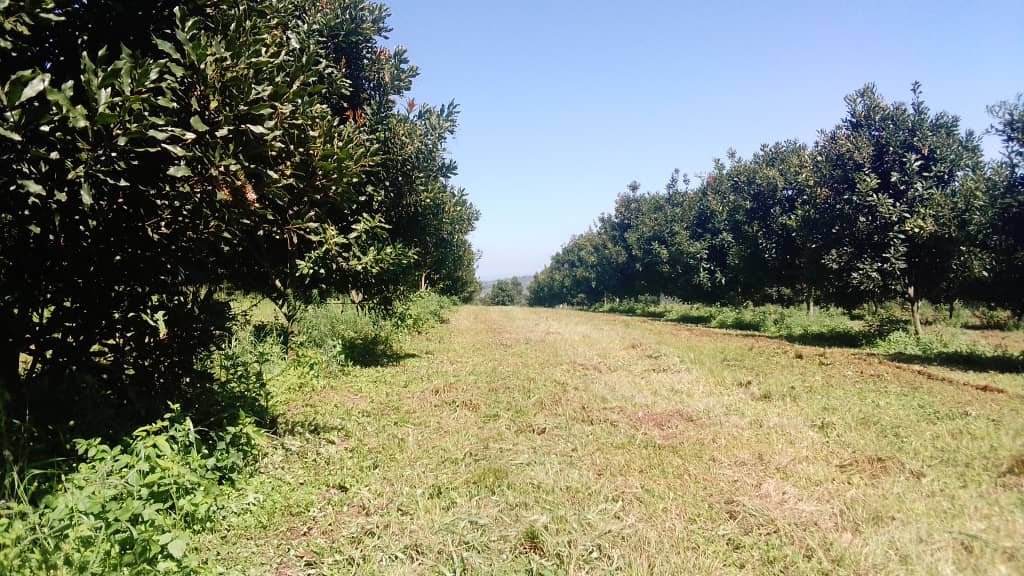
Europe grows no macadamias of its own scale, yet it has become one of the three demand centres that the whole global trade watches, alongside the United States and China. Every kernel and every nut-in-shell sold into Rotterdam, Antwerp, Hamburg or Marseille has travelled from somewhere else — mostly Southern and East Africa, plus Australia. That total dependence on imports, combined with fast-growing consumption, makes Europe a market worth understanding properly.
Where Europe's macadamias come from
South Africa, the world's largest macadamia producer, supplies the bulk of Europe's kernel and NIS. Kenya and Malawi have grown into significant secondary origins over the past decade, and a smaller but increasing volume now comes from Zimbabwe and other Southern African growers as new orchards planted in the last ten to fifteen years reach full bearing. Australia remains a premium-priced supplier for buyers who specifically want that origin, but freight distance puts it at a structural disadvantage against African supply for most European buyers.
This African concentration is not an accident: Southern Africa's March–August harvest lands macadamias in Europe through the second half of the year, and the region's altitude and climate produce the large, high-recovery kernel that European processors and retailers want.
Demand that keeps outrunning supply forecasts
European consumption has grown steadily as macadamias have moved from a niche, expensive treat into mainstream premium snacking, baking inclusions and, increasingly, plant-based dairy alternatives. Retail nut aisles across Germany, the Netherlands, France and the Nordics have expanded their macadamia ranges, and food manufacturers use kernel and kernel pieces in everything from granola to premium chocolate. Because there is essentially no domestic crop to fall back on, every increment of new demand in Europe has to be met by imports — which keeps upward pressure on volumes sourced from Africa.
Where prices sit in 2026
After a run of tight supply and firm pricing in the early 2020s, new plantings across South Africa, Kenya, Malawi and Zimbabwe are now reaching maturity together, easing the squeeze on standard and mixed grades. Premium large-size NIS and high-kernel-recovery lots, however, continue to command strong prices — snack manufacturers and confectioners pay up for size and appearance, and that segment of demand hasn't softened. See our broader explainer on what drives macadamia prices per tonne for the underlying mechanics.
What this means for European buyers
With more origins reaching maturity at once, 2026 is a good year for European importers and processors to diversify supply rather than rely on a single origin or broker. Building a direct relationship with a grower-exporter gives price transparency and traceability that a blended broker lot cannot match — see our guide to choosing a macadamia NIS supplier. Our graded lots from the 2026 harvest are available for booking now; browse current grades on the products page or send a trade enquiry for a quote to your European port of entry.